
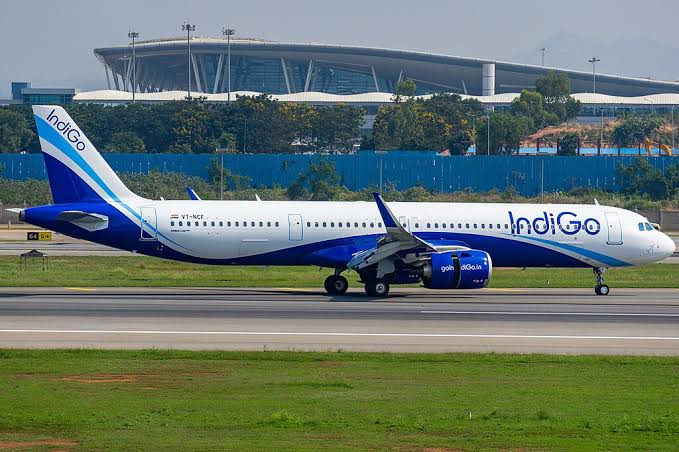
IndiGo Meltdown: A National Aviation Catastrophe Exposing Ministry’s Gross Incompetence and Cronyism
New Delhi, December 8, 2025 – India’s largest airline, IndiGo, which controls nearly 60% of the domestic market, has triggered the worst aviation crisis in the country’s history. Since December 2, more than 4,500 flights have been cancelled, tens of thousands of passengers stranded, airports turned into chaos zones, and the economy dealt a body blow. While IndiGo blames “planning gaps,” the deeper truth is glaring: the Ministry of Civil Aviation and its regulator, the DGCA, utterly failed to prevent a single airline from holding the entire nation hostage through years of lax oversight, monopoly protection, and last-minute panic fixes.
The Real Trigger: A Predictable Disaster the Ministry Ignored
The crisis erupted when the second phase of revised Flight Duty Time Limitation (FDTL) rules kicked in on November 1, 2025 – rules the government itself had finalised almost two years earlier. The new norms increased mandatory weekly rest for pilots from 36 to 48 hours, slashed weekly night landings from six to two, extended the “night duty” window by an hour, and demanded quarterly fatigue reports.
IndiGo, despite having 22 months to prepare, froze hiring, refused salary hikes, maintained only a 4% crew buffer, and reportedly operated cartel-like non-poaching agreements with competitors. When the rules finally hit, hundreds of pilots were simultaneously forced into mandatory rest during peak winter travel season. The result: a complete operational collapse.
December 5: 1,600+ cancellations in a single day – a record in Indian aviation history
December 6: another 850 flights axed
December 7: 650 more scrapped
Major airports paralysed: Bengaluru (124 cancellations on Dec 6), Mumbai (112 on Dec 7), Delhi (109 on Dec 7), Hyderabad (115 on Dec 7). On-time performance crashed to 3.7% on December 5 and hovered below 20% for days.
Other airlines adapted. IndiGo did not. The ministry and DGCA watched it happen.
Human Suffering on a Massive Scale
Airports resembled refugee camps. Passengers waited 12+ hours, received no food or water, discovered cancellations only at the counter, and were separated from checked baggage for days. Weddings were missed, critical medical treatments skipped, exams ruined, pilgrimages abandoned, and business deals lost. Rajasthan’s peak winter tourism season was decimated. Even Maharashtra MLAs had to charter private jets to reach Nagpur for the winter legislative session.
The elderly, disabled, and families with infants suffered the most – a cruel repeat of IndiGo’s 2022 incident when it denied boarding to a child with disabilities (for which the DGCA levied a laughable ₹5 lakh fine).
Profiteering and Economic Fallout
With IndiGo flights vanishing, fares on remaining options exploded – Delhi-Mumbai tickets jumped from ₹8,000 to ₹46,500 – until the ministry belatedly imposed caps ranging from ₹7,500 to ₹18,000. IndiGo has refunded ₹610 crore so far, but that barely scratches the surface of indirect losses.
The company’s share price has plunged 15% in a week. Brokerages are slashing targets, warning of permanently higher costs.
The Ministry’s Shameful Response
Only after the crisis became a national embarrassment did the ministry swing into damage-control mode:
Issued a show-cause notice to IndiGo’s CEO (deadline quietly extended)
Suspended key FDTL safety rules until February 2026 – a move pilot unions slammed as “putting profits over human lives”
Set up a four-member probe committee (report due in 15 days)
Ordered refunds by December 7 (many still pending)
Asked railways to add coaches and special trains
Too little, too late – and dangerously retrograde on safety.
Opposition leaders have gone further, alleging the government shielded IndiGo because of past electoral bond donations. Public anger is boiling over: citizens are openly calling this a “complete failure of the Ministry of Civil Aviation and the central government,” demanding lawsuits, full compensation, and an end to the IndiGo-Air India duopoly that leaves passengers with no real alternatives.
The Bigger Picture
This was entirely preventable. The ministry knew the rules were coming. It knew IndiGo dominates the market. It knew pilot salaries have been stagnant and hiring frozen. Yet it did nothing until the system collapsed.
India now has a bitter choice: keep bending safety rules to protect a near-monopoly, or finally force real competition, higher crew buffers, and genuine accountability.
Until the Ministry of Civil Aviation is held responsible – not just the airline – Indian passengers will remain hostages to the same broken system. The skies belong to the people, not to one company and its silent protectors in government.